


Knowledge Leap logo: a hexagonal globe

Knowledge Leap

A new way to see the world. An open-source augmented reality app that turns everyday surroundings into something you can learn from.

OCAD University thesis AR concept Built for Magic Leap
Scroll down to leap in
A city at night with light trails arcing between buildings
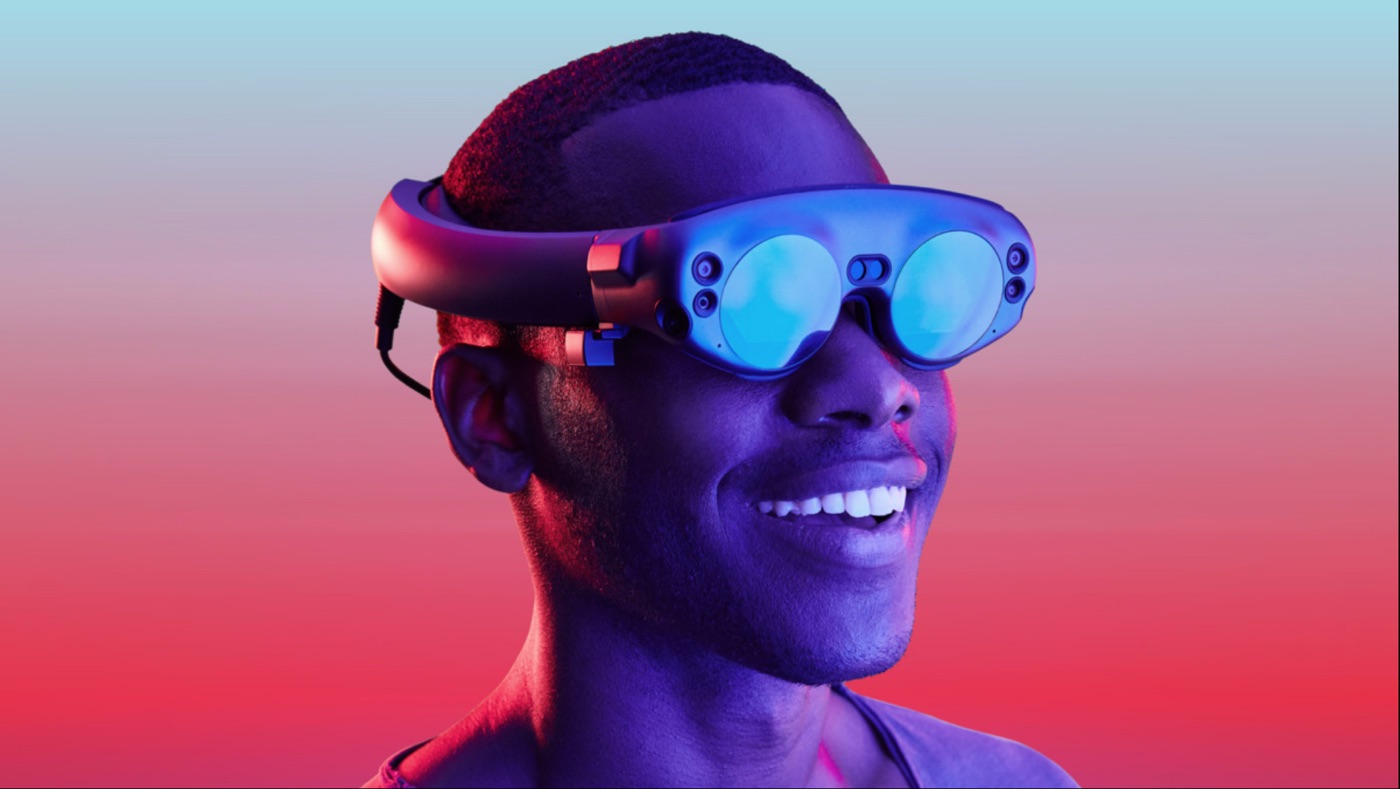
A person smiling while wearing a Magic Leap headset
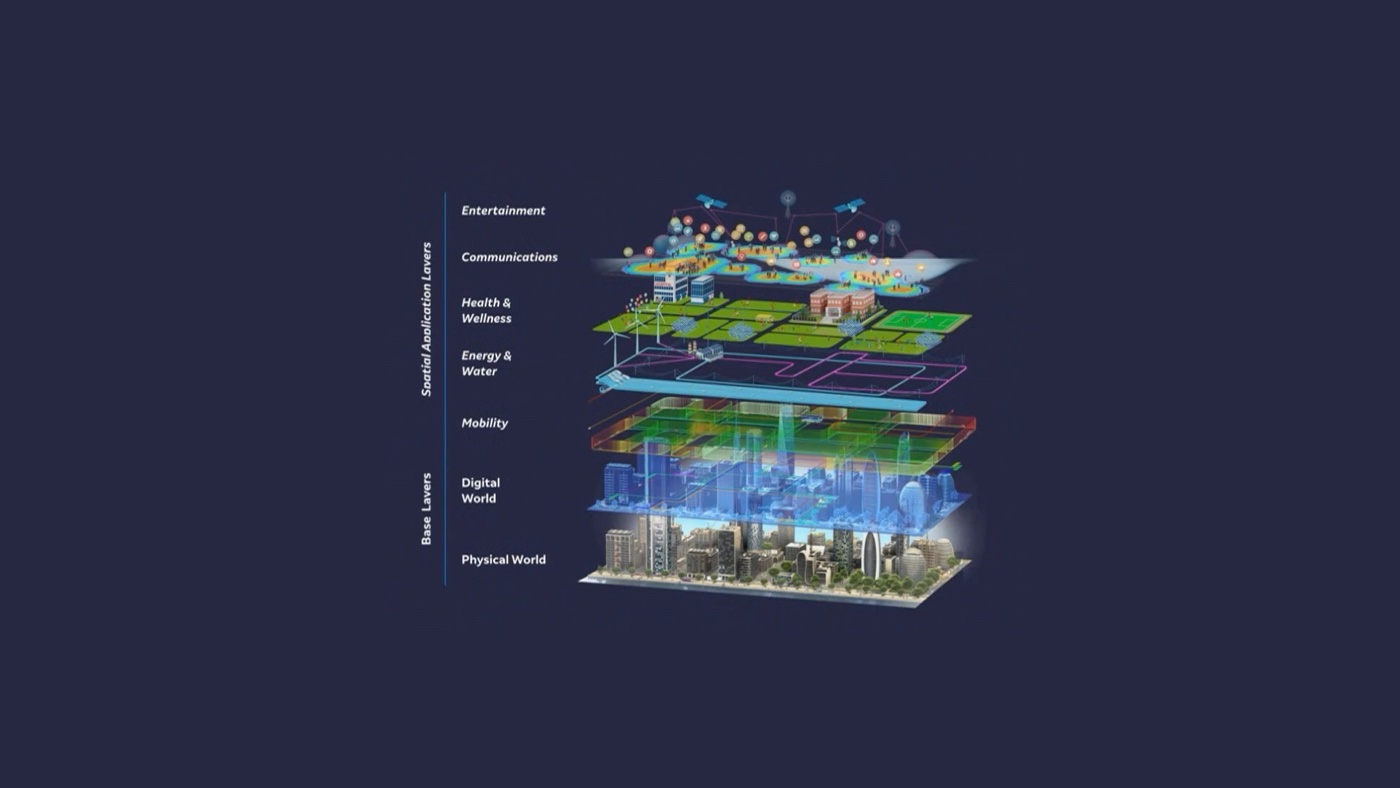
Magic Leap's Magicverse diagram: digital layers for entertainment, communications, health, energy and mobility stacked over a city
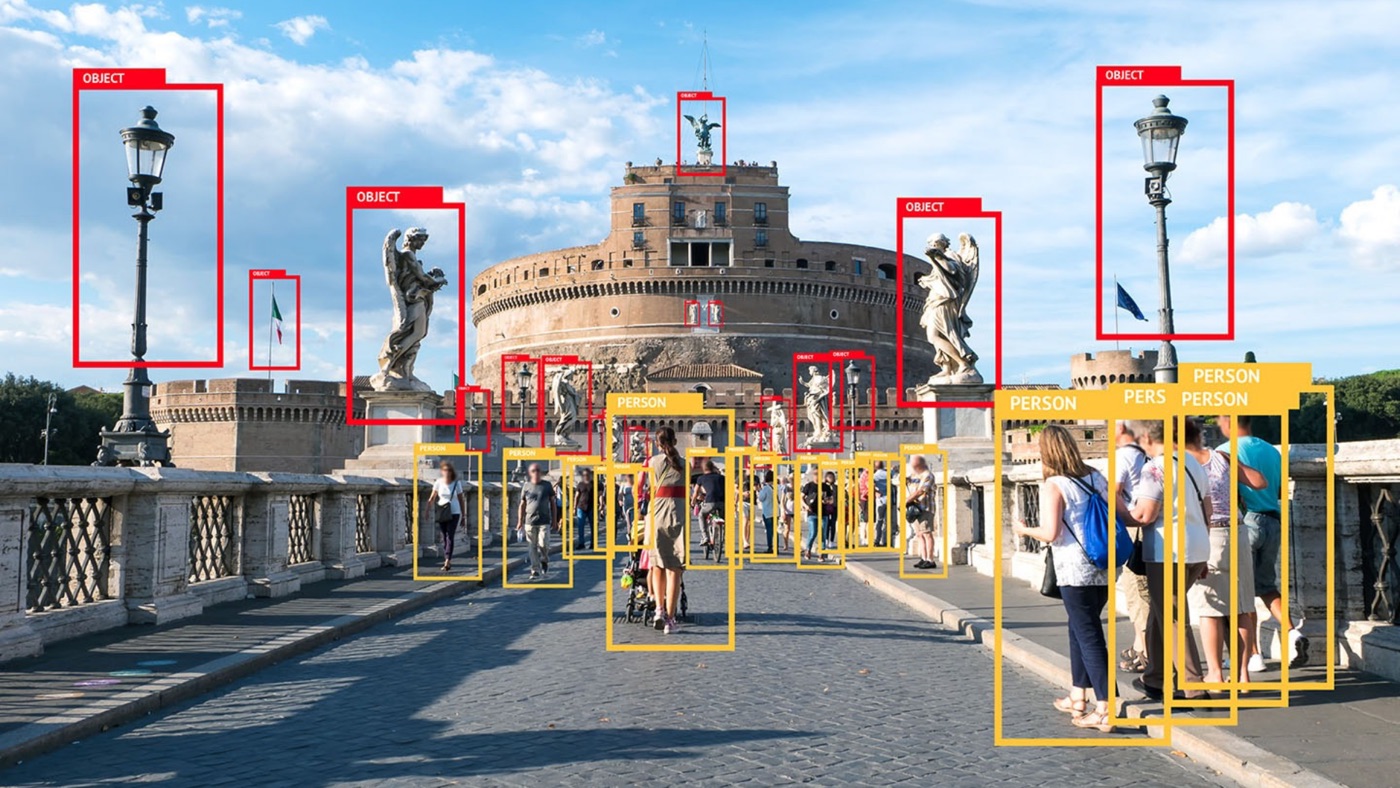
A street scene with boxes labelling each person and object the camera has recognised

Imagine a world that explains itself.

Everything around you has a story: what it's made of, how much energy it uses, what it's connected to.

Powered by three technologies

Knowledge Leap brings those stories into the room you're standing in, using three things Magic Leap makes possible.

Magic Leap

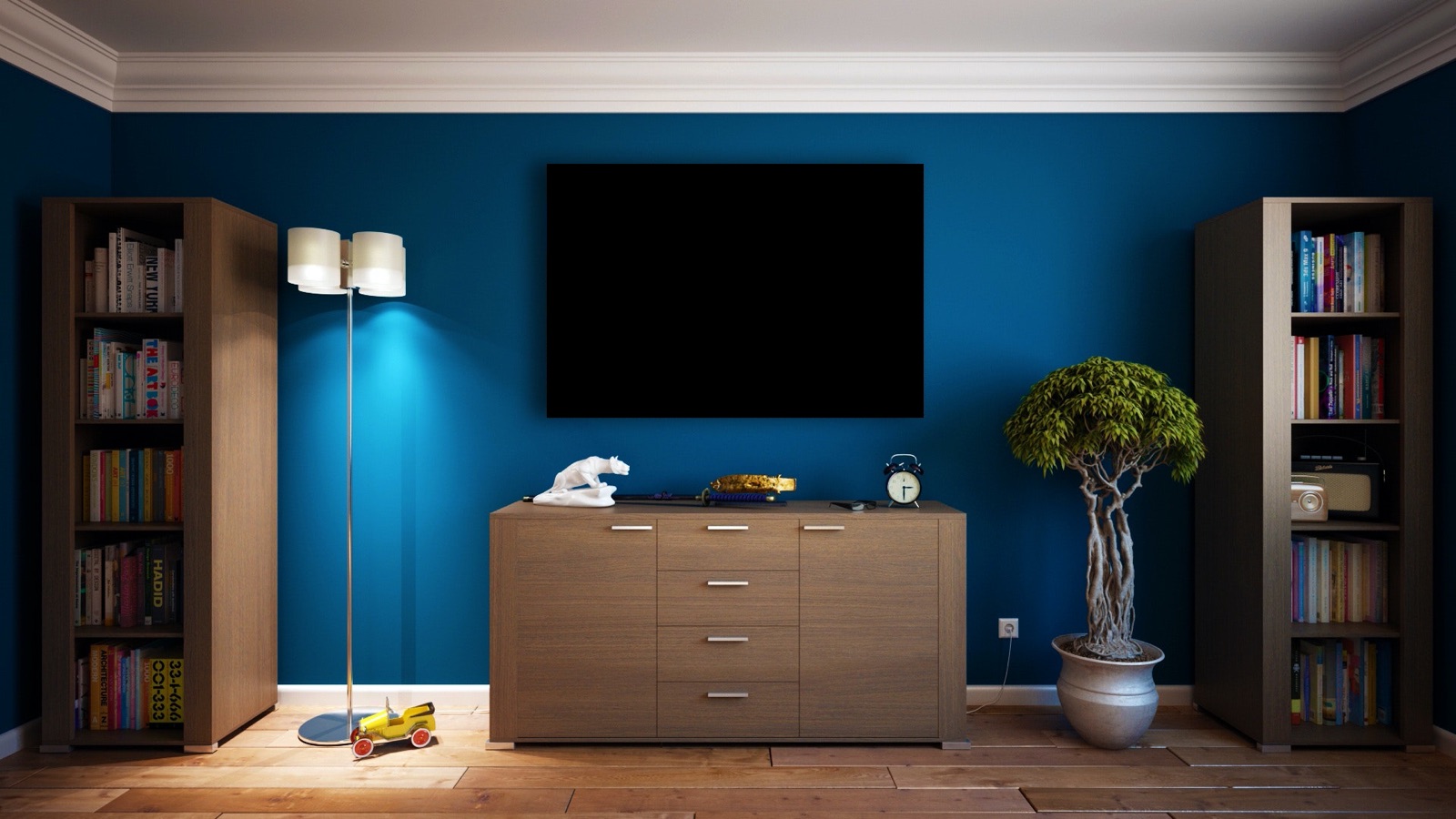
A headset that places digital content in the real room around you, so information sits right next to the thing it describes.

Magicverse

Magic Leap's vision of persistent digital layers over the physical world, from energy and mobility to health. Knowledge Leap adds a layer for learning.

Spatial understanding

The headset maps the space and recognises what's in it, so every insight attaches to the right object.

How it works

Five lenses. One room, seen five ways.

A lens is a way of looking. Pick one from the selector and the room changes to show something new. Knowledge Leap launches with five.

Energy lens
Energy detection

See what everything costs to run

The lens scans the room, recognises each appliance down to its brand and model, and pulls efficiency data from the manufacturer and rating sites. Every object gets an indicator from green to red. Tap one to see how to make it more efficient.

  • Water use
  • Energy use
  • Manufacturing footprint
Chemical reactions lens
Chemical reactions

Watch materials change

The lens works out what each object is made of, then lets you run the reactions that material goes through. See how different metals oxidise, or how crystals grow, on the actual object in front of you.

  • Crystal growth
  • Oxidation
  • Decomposition
  • Metabolism
Food lens
Food detection

Know what's on your plate

The lens recognises food down to the ingredient, compares it with recipes online to estimate calories and nutrients, and builds a daily report. Tracking what you eat becomes something that happens while you eat.

  • Daily calories
  • Daily macros
  • Foods and ingredients
Connectivity lens
Connectivity detection

See the invisible network

The lens makes the signals around you visible. Select a device to trace its connections, or reveal everything at once. Linked to a smart home, it lets you switch devices on and off and watch their connections form and drop.

  • GPS
  • Wi-Fi
  • Bluetooth
Auto mode
Auto mode

Let curiosity lead

Auto mode runs several lenses at once and lets you choose what to show. It learns what you're interested in and points you to things worth a closer look, so learning becomes part of an ordinary day.

  • Learns your interests
  • Suggests new things to explore
  • Everyday learning

The bigger idea

Open by design

The five lenses are a starting point. Because Knowledge Leap is open source, designers, developers and teachers can build new lenses from perspectives nobody has tried yet, and anyone can download them from the Magic Leap World app store.

The concept film

1:31

About the project

  • ContextUniversity thesis, OCAD University
  • PlatformDesigned to run on Magic Leap
  • My workConcept, UX/UI and the lens system
  • MotionAR mockup videos made in After Effects

Credits: Magic Leap, Magicverse and the Magic Leap headset image are © Magic Leap, Inc. Knowledge Leap was a student concept designed for their platform and is not affiliated with Magic Leap. Room, city and street photography is third-party imagery used for illustration.